What Is Bust Size? Bust Meaning, How to Measure & Bra Size Explained
Bust size is the measurement around the fullest part of your breasts and chest. It is usually measured in centimetres or inches and describes a body measurement—not a complete bra size.
To work out a bra size, you normally need both your bust measurement and your underbust measurement. The underbust helps determine the band, while the relationship between the two measurements helps determine the cup.
If you have seen the word bust on a clothing size chart, bra guide or online product page, it is easy to wonder whether it means your chest, your breast size or your bra size. These terms are related, but they are not interchangeable.
This guide explains what bust size means, exactly where the bust is on the body, how to measure it correctly, and how bust, underbust, band size and cup size work together when you are choosing a bra.
Bust refers to the breast area of the upper body. Bust size is the circumference measured around the fullest part of that area. It should not be confused with your underbust, band size or complete bra size.
What Is Bust Size?
Bust size means the circumference of your torso at the fullest part of your breasts. A soft measuring tape passes around your back and across the fullest point of the bust, staying level with the floor.
For example, if the tape around the fullest part of your bust reads 92 cm, your bust measurement is 92 cm. That number is useful for clothing and bra fitting, but 92 cm alone does not tell you your bra size.
This distinction matters because a bra size contains more information than a single circumference measurement. Someone with a 92 cm bust and a relatively narrow ribcage may need a different bra size from someone with the same 92 cm bust and a wider ribcage.
What Does “Bust” Mean on the Body?
On the body, the bust refers to the breast area across the upper torso. When a size chart asks for your bust measurement, it normally means the circumference around the fullest part of the breasts.
The word is often used in fashion, lingerie and tailoring because garments need enough room and the right proportions across this part of the body.
| Measurement | Where to measure | What it helps determine |
|---|---|---|
| Bust | Around the fullest part of the breasts | Body fit and cup calculation |
| Underbust | Around the ribcage directly below the breasts | Bra band size |
| Waist | Around the natural waist area | Clothing and garment sizing |
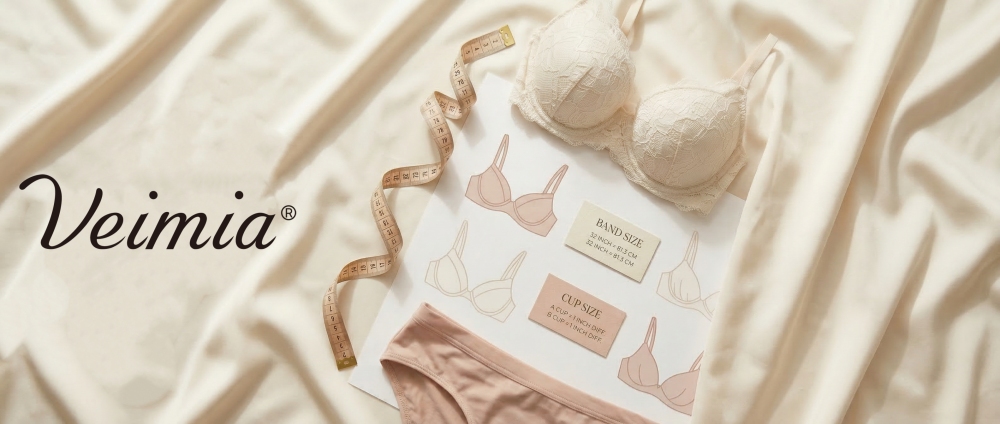
Upload the generated VEIMIA educational image here.
Is Bust Size the Same as Bra Size?
No. Bust size and bra size are not the same thing.
Bust size is one body measurement. A complete bra size combines a number and a letter, such as 34C, 36D or 75C.
Your circumference at the fullest part of the breasts.
Your ribcage circumference directly beneath the breasts.
The numerical part of a bra size, based on your underbust and the sizing system used by the brand.
A letter that relates to the difference between bust and band or underbust measurements according to the brand's chart.
The band and cup together—for example, 34C or 75C.
This is why a search for “bust size to bra size” cannot be solved accurately with the bust measurement alone. You need the underbust as well.
You can explore the relationship in more detail in the VEIMIA Bra Size & Fit Guides .
Two people can have the same bust measurement but different underbust measurements, which can lead to different band sizes and cup volumes. Always use both measurements and compare them with the specific brand's size chart.
How to Measure Your Bust Size Correctly
You only need a soft measuring tape and a mirror. Measure in a relaxed standing position rather than pulling your shoulders back or holding your breath.
A heavily padded or push-up bra can change the measurement. If you are comfortable measuring without a bra, that can also work as long as the breasts are in a natural position.
This is usually around nipple level, although body and breast shapes vary.
Keep it horizontal across your back and the fullest part of the bust. Use a mirror to check that it has not slipped upward or downward.
It should touch the body without compressing breast tissue. Breathe normally and record the measurement in centimetres or inches.
How should the measuring tape feel?
The tape should be close enough that it does not fall down, but not so tight that it presses into the bust. Think of it as following the body rather than reshaping it.
If you get two noticeably different results, repeat the measurement once more. A small change can happen because of posture, breathing or tape position.
How to Measure Underbust Size
Once you know your bust measurement, measure your underbust. Place the measuring tape directly beneath the breast tissue, around the ribcage where the bra band normally sits.
Keep the tape level and comfortably snug. Unlike the fuller bust measurement, the underbust measurement is taken against the ribcage rather than around the fullest breast area.
Your underbust is particularly important because the band provides much of a bra's foundation and stability. Different brands and regional sizing systems may convert the measurement differently, so use the final number as a starting point and check the brand's own size chart.
How Do Bust and Underbust Relate to Cup Size?
Cup size describes the relationship between the fuller bust and the band or underbust measurement within a particular bra-sizing system.
The important point is that a cup letter is not a fixed breast volume by itself. A C cup on one band size does not hold exactly the same volume as a C cup on every other band size.
That is why interpreting a bra label requires both parts of the size. If you want to understand B, C, D, DD/E, F and G cups in more detail, read the VEIMIA Bra Cup Size Guide .
Can You Convert Bust Size Directly to Bra Size?
Not reliably. A bust measurement on its own is missing the ribcage measurement needed to understand the band.
Imagine two women both have a 94 cm bust. One has a 74 cm underbust and the other has an 82 cm underbust. Their body proportions are different, so the same 94 cm bust measurement should not automatically place both people into the same bra size.
A more useful approach is: measure bust → measure underbust → compare both measurements with the brand's size chart → check how the bra actually fits.
6 Common Bust Measurement Mistakes
- Letting the tape slope across the back. A tilted tape can change the result.
- Pulling the tape too tightly. The tape should not compress breast tissue.
- Measuring over a heavily padded bra. Padding may add extra volume.
- Confusing bust with underbust. They are measured in different positions and serve different purposes.
- Relying on an old measurement. Body measurements can change over time.
- Treating one measurement as a guaranteed bra size. Size charts and fit can vary between brands and styles.
Is Bust Size the Same as Chest Size?
In everyday conversation, people sometimes use bust and chest loosely, but fashion and lingerie measurement guides may use them differently.
When women's clothing asks for a bust measurement, it usually means the fullest part of the breasts. A generic chest measurement can refer more broadly to the upper torso and may be defined differently depending on the garment or brand. Always check the measurement diagram supplied with the size chart.
Why Can Bust Size Change?
Bust measurements are not necessarily permanent. Weight changes, hormonal fluctuations, pregnancy, breastfeeding, ageing, exercise habits and natural changes in body composition can all affect how the bust or ribcage measures over time.
Even when your measurement has not changed much, a bra can begin to feel different as its elastic and fabric age. If several bras suddenly feel unusually tight, loose, gaping or restrictive, remeasuring is a useful first step before assuming you need the same size again.
After Measuring, Check How Your Bra Actually Fits
Measurements give you a starting point, not a substitute for a fit check. Breast shape, tissue distribution, bra construction and fabric stretch can all affect how two bras in the same labelled size feel.
A comfortable fit usually means:
- The band feels secure without painfully digging in.
- The cups contain the breast tissue without obvious spilling.
- There is no large empty space or persistent gaping in the cups.
- The straps feel supportive without carrying all the weight.
- The bra stays reasonably stable when you move.
If your current size feels confusing, the VEIMIA Bra Sizes Explained guide can help you understand common labels such as 34, 36, 75 and 80.
Once You Know Your Bust Size, What Kind of Bra Should You Choose?
Start with fit before style. Once you have a suitable size range, think about what you want the bra to do during your day.
- For a smooth look under fitted clothing, a seamless style may be useful.
- If you prefer less pressure, consider a wireless design with a supportive band and wider straps.
- For a fuller bust, look for adequate cup coverage and stable side support rather than choosing only by cup letter.
- If you want the bust to appear visually more streamlined under clothing, a minimizer design may suit that preference.
The goal is not to change your body. It is to find a bra whose proportions, support and coverage work comfortably with your measurements and the clothes you want to wear.
Looking for Fuller-Bust Support?
If your measurements point you toward a fuller-bust fit and you prefer a smoother silhouette under everyday clothing, this is one VEIMIA option worth comparing after you have checked your size.
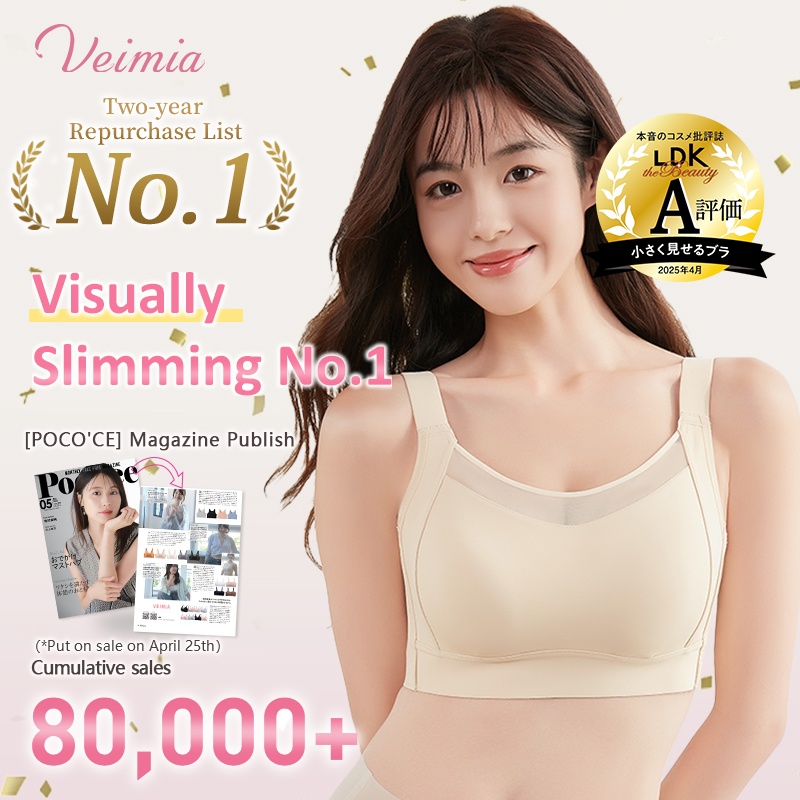
VEIMIA Wire-Free Minimizer Bra
A wire-free, seamless design with wider straps and fuller coverage, created for shoppers who want stable support and a visually smoother bust line under clothing.
HK$227.00 Price may change. Check the product page for current pricing and availability.
View Bra DetailsThe Simple Way to Remember Bust Size
If all the terminology feels complicated, remember one simple distinction:
Bust size = your fullest bust measurement.
Bra size = band + cup.
Measure your fullest bust, measure your underbust, compare both numbers with the relevant size chart, and then use real-life fit to confirm your choice.
That approach is far more useful than trying to turn one bust measurement directly into a bra size.
Bust Size FAQ
What does bust size mean?
Bust size means the circumference around the fullest part of your breasts and upper torso. It is a body measurement, usually recorded in centimetres or inches.
What is the bust on the body?
The bust is the breast area of the upper body. For clothing and lingerie measurements, the bust is normally measured around the fullest part of the breasts.
Is bust size the same as bra size?
No. Bust size is one circumference measurement. Bra size combines a band size and cup size, so an underbust measurement is also needed.
Is bust size the same as chest size?
They may be used loosely in everyday language, but clothing charts can define them differently. On women's fashion size charts, bust usually means the circumference around the fullest part of the breasts.
Where should I measure my bust?
Wrap a soft measuring tape around the fullest part of the breasts, keeping it level across your back. The tape should rest against the body without squeezing the breast tissue.
What is underbust size?
Underbust size is the circumference of your ribcage immediately below the breasts. It is an important measurement for determining the band portion of a bra size.
Can I calculate my bra size from bust size alone?
No. You also need your underbust measurement. The same bust circumference can occur on different ribcage sizes, which can produce different bra sizes.
Should I measure my bust with or without a bra?
Either can work depending on breast shape and the fitting guide you are following. If you wear a bra while measuring, choose a light, non-padded style rather than a push-up or heavily padded bra that changes the natural bust volume.
Why has my bust size changed?
Bust measurements can change with weight fluctuations, hormonal changes, pregnancy, breastfeeding, ageing and natural changes in body composition. Remeasuring periodically can help you choose a more suitable fit.
Continue Your Bra Fit Guide
Explore VEIMIA Bra Size & Fit Guides