


How to Support Someone After Breast Cancer Surgery: What Actually Helps
You do not need the perfect words. Thoughtful support is often much simpler: listen, offer specific practical help, respect personal choices, and keep showing up after the first few difficult weeks.

The most helpful place to begin is usually listening—not trying to fix the situation.
If you are wondering how to support someone after breast cancer surgery, ask what they need, offer concrete practical help, respect decisions about their body and appearance, and avoid pressuring them to be positive or follow advice they did not ask for.
And remember: support may still matter weeks or months after everyone else assumes recovery is over.
When someone you care about has breast cancer surgery, it is natural to want to say something reassuring.
It is also natural to worry about saying the wrong thing.
You may wonder whether to ask about the operation, whether talking about appearance will make things harder, or whether you should try to keep the conversation positive.
In practice, support rarely depends on finding one perfect sentence.
It often comes from being attentive enough to notice what the person in front of you actually needs.
That might be a serious conversation.
It might also be dinner, a lift to an appointment, school pickup, clean laundry—or an hour talking about something that has nothing to do with cancer.
Start by Listening
One of the easiest mistakes to make when supporting someone after surgery is filling every silence.
We want to reassure.
We want to find solutions.
We want to say that everything will be fine.
But the person recovering may not need an answer.
She may simply need somewhere she does not have to edit her feelings.
That means allowing relief and fear to exist together. It means not correcting sadness with gratitude, and not turning every difficult day into a lesson about strength.
If you are not sure what kind of conversation she wants, you can ask.
These questions give control back to the person whose life has recently involved a great deal that was outside her control.
Helpful Things to Say
Useful words tend to do one of three things: acknowledge what is happening, offer something real, or give permission for the person to feel however she feels.
Say This / Avoid This
Context matters, of course. A sentence that comforts one person may irritate another.
That is why the best communication is responsive rather than scripted.
What May Feel Unhelpful
Most unhelpful comments are not intended to hurt.
They usually come from discomfort.
“Stay positive” may be meant as encouragement, but it can make someone feel that fear, anger or sadness are emotions she should keep to herself.
“You look amazing” may be warmly intended, but appearance does not necessarily tell you how recovery feels.
Comparisons can also be difficult.
Two people with breast cancer may have different surgeries, treatments, complications, home lives and emotional responses. Someone else's fast recovery is not a useful timetable for the person you are supporting.
Support does not require optimism on demand.
You can offer hope without asking someone to hide the parts that feel difficult.
Offer Specific Practical Help
“Let me know if you need anything” is generous.
But when someone is tired, recovering or managing appointments, it places one more task on her list: identifying a need, deciding whether it is reasonable, and asking you.
A specific offer is easier to answer.
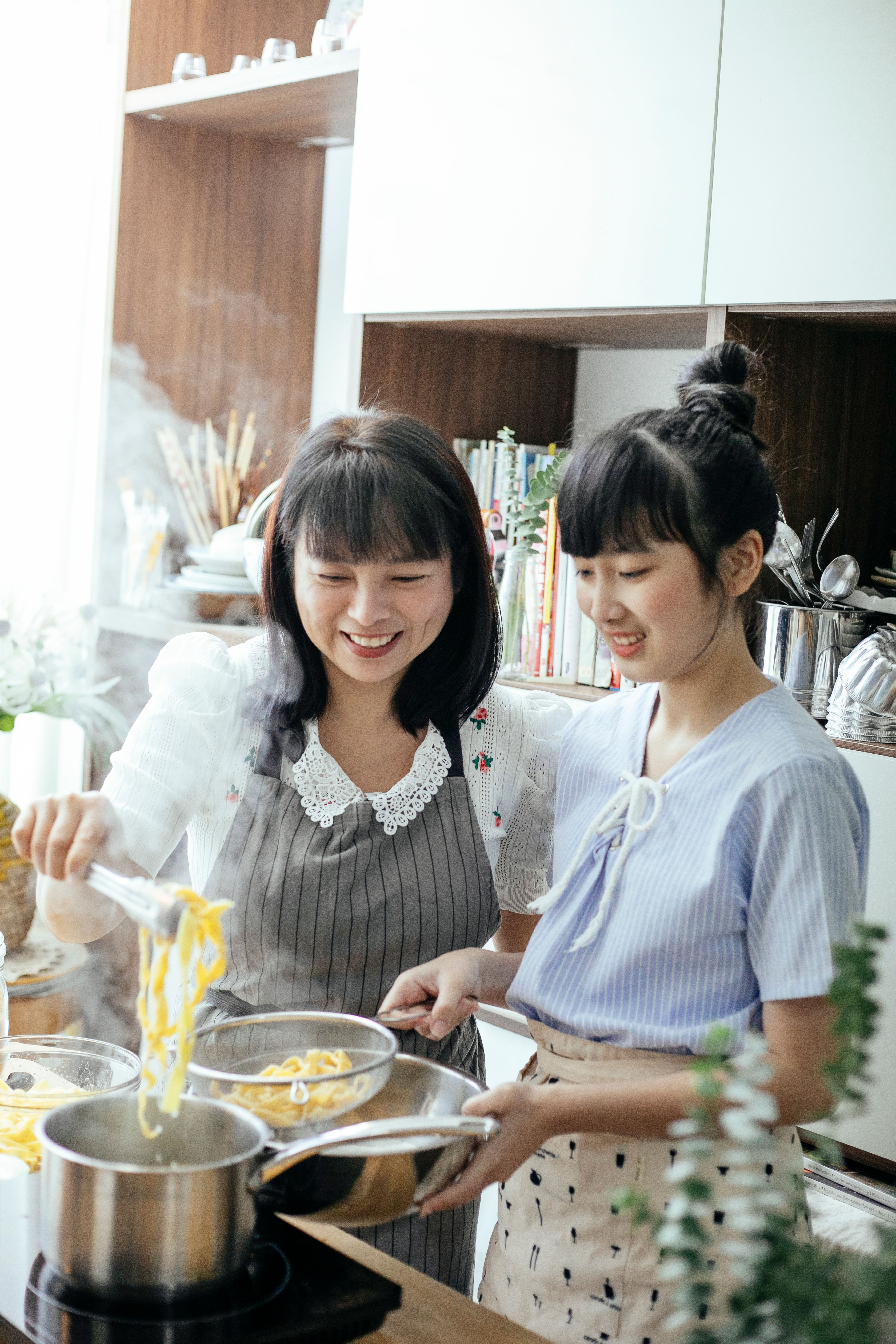
“I'm cooking on Wednesday. Would you like me to leave a portion at your door?”
“I am free on Friday morning if you'd like a lift to the clinic.”
Offer laundry, groceries, dog walking, cleaning or taking out rubbish.
School pickup, childcare or collecting prescriptions may remove a surprisingly large amount of stress.
There is an important second half to offering help: let the person say no.
Help should make life easier, not create another social obligation.
Respect Decisions About Body and Appearance
Breast surgery can change the body in visible and invisible ways.
The person you are supporting may be deciding how she feels about scars, clothing, breast reconstruction, an external breast form, or going flat.
Those decisions belong to her.
Avoid assuming that reconstruction will make her happier, that wearing a breast prosthesis means she is insecure, or that going flat is necessarily a statement about identity.
Sometimes it is simply what feels comfortable.
If she asks your opinion about clothing or appearance, answer the question she actually asked rather than turning the moment into a judgment about recovery.
To better understand why those decisions can be so individual, read Life After Mastectomy: Body Changes, Confidence & Finding What Feels Right for You .
Avoid Unsolicited Treatment Advice
Cancer tends to attract advice.
Articles arrive in group chats. Someone remembers a supplement another person took. A distant acquaintance had a different surgery. Social media offers confident explanations for complicated medical decisions.
Sharing that information without being asked can create anxiety rather than help.
Medical decisions depend on diagnosis, treatment history, individual health and specialist advice. A story that sounds similar from the outside may not be medically comparable.
If you find something you genuinely think could be useful, ask first:
If the answer is no, let the information stop with you.
Supporting someone's decision-making does not mean becoming an unofficial member of her medical team.
Supporting Someone Returning to Daily Life
Support is often most visible immediately after surgery.
Flowers arrive. Messages come in. Family rearranges schedules.
Then ordinary life begins to restart.
That can be precisely when continued support matters.


Returning to work, social plans, exercise or household routines does not necessarily mean recovery is complete.
Energy may still fluctuate. Clothing may feel different. Follow-up appointments may continue. Some days may feel very ordinary; others may unexpectedly bring surgery back into focus.
Try not to measure recovery from the outside.
Instead, keep invitations flexible.
If clothing has become part of the adjustment after surgery, our Getting Dressed After Mastectomy guide explores comfort and personal style without assuming anyone needs to hide her body.
Caregivers Need Support Too
Partners, family members and close friends can become so focused on helping that their own tiredness disappears from the conversation.
But caregiving can involve emotional support, transport, meals, household tasks, appointments, family communication and simply staying alert to what might be needed next.
That can be a lot.
You are allowed to have needs too.
Asking another family member to take over an errand, going for a walk, keeping a regular appointment of your own, sleeping, talking to a friend or seeking professional support does not mean you care less.
Sustainable support often requires more than one person.
You may also experience feelings that seem difficult to admit: fear, frustration, helplessness, sadness or even resentment about how much life has changed.
Those feelings do not need to be placed on the person recovering from surgery.
But they do deserve somewhere to go.
A trusted friend, counsellor, social worker, caregiver support service or support group can provide space for your own experience.

Good support is not about becoming indispensable.
It is about making someone's life a little easier while continuing to respect her independence, decisions and ordinary self.
You Do Not Have to Get Every Moment Right
You may occasionally say something awkward.
You may offer help at the wrong moment.
You may not know whether to talk about surgery or change the subject.
Supporting someone after breast cancer surgery is a relationship, not a script.
What matters more is being willing to listen and adjust.
Ask rather than assume.
Offer rather than take over.
Stay present without demanding positivity.
And remember that the person in front of you is still the same person who had interests, opinions, bad jokes, favourite meals, unfinished work and plans for the weekend before cancer entered the conversation.
Sometimes one of the most caring things you can offer is space for all of that ordinary life to exist again.
From the VEIMIA Pinkbook Breast Care Series
→ Breast Cancer Awareness Month 2026 Hub → Life After Mastectomy → Getting Dressed After MastectomySupporting Someone After Breast Cancer Surgery: Frequently Asked Questions
What should I say to someone after breast cancer surgery?
Simple, open language is often most helpful. You might say, “I'm here if you want to talk,” “You don't have to be positive with me,” or offer something specific such as bringing dinner or providing a lift.
What should I avoid saying after a mastectomy?
Try to avoid pressure to “stay positive,” comparisons with someone else's cancer experience, comments that assume appearance reflects recovery, or unsolicited medical and treatment advice.
How can I practically help someone after breast cancer surgery?
Offer specific help with meals, groceries, household tasks, transport, childcare or other everyday responsibilities. A concrete offer is often easier to respond to than asking someone to think of something for you to do.
Should I talk about her mastectomy or wait for her to bring it up?
You can gently give her the choice. Ask whether she wants to talk about how she is feeling or would prefer to talk about ordinary life. Follow her lead and respect it if she does not want to discuss surgery.
Should I comment on how her body looks after mastectomy?
Follow her lead. Avoid assuming she wants reassurance about appearance or suggesting reconstruction, breast forms or going flat unless she asks to discuss those choices. Body and appearance decisions are personal.
How long should I keep checking in after breast cancer surgery?
There is no universal recovery timeline. Support can remain valuable after the early post-surgery period, especially as someone returns to work, appointments, social activities and everyday routines.
What if the person does not want my help?
Respect the answer. You can let the person know the offer remains open without repeatedly asking or taking over tasks. Supporting someone's independence is also a form of care.
How can caregivers look after themselves?
Share responsibilities where possible, maintain basic rest and routines, talk to someone you trust, and seek professional or caregiver support if you feel overwhelmed. Caring for yourself can help make your support more sustainable.
Editorial note: This article provides general emotional and practical support information. It does not replace advice from a person's breast surgeon, oncology team, breast care nurse, physiotherapist or other qualified healthcare professional. Medical questions and concerns about recovery should be discussed with the appropriate care team.
```