

VEIMIA Fuller-Bust Guide
Large Bust Bra Guide: Support, Smoothing & a Smaller-Looking Silhouette
Quick Answer
A good bra for large bust comfort should distribute weight across the band, cups and straps, contain side fullness, control movement and stay breathable. The goal is not maximum compression. For a smoother, smaller-looking silhouette, full coverage or minimizer styles can help when the fit matches your breast shape and outfit.A fuller bust rarely needs just “more bra.” It needs better distribution—of weight, breast tissue, movement and pressure—without turning everyday support into a rigid or overly compressive experience.
That difference matters when you spend the day commuting, sitting at a desk, walking outdoors in Singapore or Malaysia humidity, or wearing shirts that suddenly look different once the bust is supported.
This guide is designed for women searching for a bra for large breasts, full bust support, heavy-breast comfort or a smoother silhouette. It starts with the underlying support problem first, then helps you decide whether wireless, full coverage, side smoothing or a minimizer is the more useful solution.
What counts as a full or large bust?
There is no single cup letter that turns a bust from “average” into “large.” Cup size only makes sense together with the band size, and the same cup letter can represent different breast volumes on different ribcage measurements.
This is why two women who both wear a D, E or F cup can have very different support needs. One may have a narrow ribcage and strongly projected breasts. Another may have a wider breast root with volume spread more broadly across the chest.
In practical terms, it is often more useful to think of a full bust as a bust that regularly creates specific fit or support demands:
- Shoulder straps feel as though they are carrying too much weight.
- The band rides upward during the day.
- Breast tissue spills at the neckline or underarm.
- The bust moves more than you would like while walking.
- Button-down shirts pull across the chest.
- Fitted tops exaggerate forward projection or side fullness.
- Fuller cups feel hot or heavy in humid weather.
GEO Quick Answer A large or full bust is better understood through proportion and support needs than through one cup letter. Your band size, breast root, projection, tissue softness and daily comfort all influence which bra construction will work best.
What support problems are most common with larger busts?
A fuller bust asks more from every part of a bra. When one part of the structure is not doing its share, another part usually has to compensate.
| Problem | What may be happening | What to look for |
|---|---|---|
| Digging straps | Too much of the bust weight is being carried by the shoulders. | Stable band, wider straps and supportive cup construction. |
| Band rides up | The band may be too loose, stretched or unable to anchor the cups. | A level, supportive underband with enough firmness for your torso. |
| Side spillage | The cup may be too narrow, too small or lack side containment. | Higher side wings, suitable cup width and side-support panels. |
| Top overflow | The cup may be too shallow or the neckline unsuitable for your breast shape. | More cup depth, fuller coverage or a different neckline. |
| Too much movement | Cup containment, band stability or side structure may be too weak. | Secure cups, stable band and enough coverage for your activity. |
| Heavy look under tops | Forward projection, seams or side fullness may be visually concentrated. | Smooth full coverage, side smoothing or a minimizer depending on the cause. |
| Heat build-up | Thick padding and large fabric areas may retain more warmth. | Breathable fabric, mesh zones and lighter cup construction. |
The important point is that “heavy breasts” do not automatically require an extremely firm or restrictive bra. A better solution is usually to distribute the job across several structural elements instead of asking the straps or cup compression to do everything.
Full Bust Needs Map: the five things to solve first
When a bra is uncomfortable, it is tempting to look for a single feature—“extra support,” “anti-sagging” or “minimizing.” For a larger bust, a five-part check is more useful.
Full Bust Needs Map
1
Projection Decide whether the bust feels too forward-projecting in clothing. If yes, cup geometry or a minimizer may matter more than simply adding stronger lift.
2
Weight Distribution Check whether the band, cups and straps share the support load. Shoulder pain is a sign to review the whole system—not only to tighten the straps.
3
Side Containment If breast tissue frequently escapes near the underarm, look at side-wing height, cup width and how the bra guides side fullness.
4
Movement Walk, sit, bend and raise your arms. A fuller-bust bra should stay composed during normal daily movement without constant readjustment.
5
Heat In Singapore and Malaysia, cup thickness and breathability can determine whether a technically supportive bra is actually wearable for ten hours.
The sequence is useful because it separates different problems. Someone with excellent support but too much front projection needs a different solution from someone whose main issue is heat or side spillage.
Support vs compression: what should a bra for heavy breasts feel like?
Support and tightness are not the same thing.
Compression reduces movement by pressing breast tissue closer to the torso. That approach is useful in certain sports bras, but it does not need to be the default strategy for a daily bra for full breast support.
Everyday support is usually more comfortable when the bra creates a stable platform underneath the bust, gives the breasts enough cup space, and distributes pressure across a wider area.
Stable, not painfully tight
The band should feel secure enough to stay broadly level around the torso, but normal breathing and sitting should still feel natural.
Contained, not crushed
Cups should hold breast tissue without forcing it over the neckline, toward the underarm or into a visibly flattened shape you did not intend.
Lifted by structure
Support should come from the band and cup construction as well as the straps. Shoulder straps are helpers, not the entire support system.
Comfortable after hours
The real test is not the fitting-room mirror. Sit, walk and wear the bra long enough to notice whether edges, straps or the underband become uncomfortable.
How do you create a smoother silhouette without simply flattening the bust?
“Smaller-looking” and “flatter” are not identical goals.
A smoother silhouette usually comes from controlling where volume sits. A fuller bust can look more balanced under clothes when front projection, side fullness and visible bra edges are all managed together.
For some women, a minimizer is the best tool because it redistributes breast volume across a broader cup shape. For others, simply switching to a smoother full-coverage cup and higher side wings may be enough.
If your bust already has relatively low projection but the problem is back or underarm lines, a strong minimizing effect may be unnecessary. Side smoothing could make more difference.
Useful Distinction Support manages weight. Smoothing manages visible transitions. Minimizing manages projection. A well-chosen fuller-bust bra may do two or all three, but they are not the same function.
Do wide straps really help a full bust?
Wider straps can make shoulder pressure feel more distributed because the contact area is broader. That can be useful for larger busts, especially during long workdays.
But straps alone cannot fix a weak band.
If you keep shortening the straps to lift the bust while the back of the bra continues riding upward, the band may not be providing enough anchoring. In that situation, wider straps may feel nicer but will not solve the underlying fit problem.
What should you look for in straps?
- Enough width to feel comfortable on your shoulders.
- Adjustment range that lets you fine-tune the length.
- Placement that does not constantly slide toward the shoulder edge.
- Fabric that remains stable rather than stretching excessively.
- A band and cup system that carries most of the support work.
If you prefer going wire-free, continue with Wireless Bra for Large Bust: 6 Comfort Features That Matter .
Is a full coverage bra better for larger busts?
Full coverage can be very useful when the bust regularly spills at the neckline or feels unstable during everyday movement.
A larger cup surface gives the bra more space to contain and guide breast tissue. That can feel especially secure for soft tissue, fuller-on-top shapes or anyone who frequently bends, walks or commutes.
The key phrase is well-fitting full coverage. Simply making the cup taller is not enough. If the cup extends too high into your underarm, presses at the neckline or is too shallow for your projection, the extra fabric can create a different kind of discomfort.
Full coverage is especially useful when:
- You regularly experience top or side spillage.
- You want more secure everyday movement.
- You prefer less cleavage under workwear.
- You wear button-down shirts or higher-necked tops.
- You want a larger surface over which support can be distributed.
What helps with underarm fullness and side spillage?
First, distinguish natural body softness from genuine cup spillage. Bodies naturally fold and move. A bra does not need to erase every contour to fit correctly.
If breast tissue itself is escaping from the side of the cup, however, the cup may be too small, too narrow or too low at the side.
Higher side wings and supportive side panels can help guide breast tissue forward while making the transition beneath fitted clothing look smoother.
A wider, seamless back can also reduce sharp bra-edge lines. That is particularly useful under ribbed tees, soft jersey and lightweight office tops, where a narrow back closure can become surprisingly visible.
30-second side-support check
- Scoop breast tissue gently into the cup before judging the fit.
- Check whether the side edge contains breast tissue without pressing painfully into the underarm.
- Raise both arms and check whether the cup stays in place.
- Look from the back: the band should remain broadly level.
- Put on a fitted T-shirt before deciding whether the side and back line is smooth enough for your wardrobe.
What makes a bra for large busts more comfortable in Singapore and Malaysia?
Fuller-coverage bras naturally place more material against the body. In a humid climate, that makes fabric choice and cup thickness more important.
A heavily padded bra can feel fine inside an air-conditioned room but much warmer after a walk to the MRT, an outdoor lunch or a humid commute.
Look beyond vague words such as “soft.” For hot-weather comfort, practical features include:
- Ultra-thin or lower-bulk cups.
- Breathable mesh sections.
- Fabric that does not feel heavy once warm.
- Wide straps that distribute pressure without excessive thickness.
- A band that supports without needing to be overtightened.
- Smooth surfaces that layer easily beneath lightweight clothes.
Lightweight does not have to mean unstructured. The useful balance is enough cup and side construction to guide a fuller bust without adding unnecessary bulk.
When should a fuller bust choose a minimizer bra?
A minimizer becomes useful when your main concern is projection rather than cup size alone.
If your breasts project strongly forward and fitted clothes make the chest feel visually dominant, a minimizer can redistribute some of that volume across a broader cup area.
This can make button-down shirts sit more calmly and create a smaller-looking side profile without needing thick padding.
However, a minimizer bra for heavy breasts still needs proper support. The minimizing effect should not come from simply buying a smaller size or crushing breast tissue into a shallow cup.
If you want the deeper technical explanation, move to the central VEIMIA Minimizer Bra Guide .
A minimizer is worth considering when:
- Forward projection is your main clothing problem.
- Shirts repeatedly pull or gape across the bust.
- You prefer a more streamlined profile under workwear.
- You also want full coverage or side support.
You may not need a minimizer when:
- Your main issue is simply incorrect bra sizing.
- You want pronounced cleavage or a push-up effect.
- The bust already sits relatively close to the torso.
- Your only concern is visible seams beneath a T-shirt.
What should a full bust wear under fitted clothing?
The bra you choose should respond to the fabric sitting on top of it. A bra that works beautifully beneath a structured blazer may not be the best choice under a thin ribbed T-shirt.
| Outfit | Useful bra direction | Why |
|---|---|---|
| Button-down shirt | Smooth full coverage or minimizer | Can help manage forward projection and reduce pulling at the placket. |
| Fitted T-shirt | Seamless smoothing style | Fewer visible seams and a cleaner transition at the cup and back. |
| Fine knit | Smooth cup with controlled sides | Helps prevent lace, seams or side bulges becoming the focus. |
| Office dress | Full coverage or minimizer depending on projection | Gives a more composed line through the bust during long wear. |
| Hot-weather blouse | Lightweight, breathable full coverage | Keeps support while reducing unnecessary cup bulk. |
If your main goal is specifically to make the bust look less prominent under clothes, see How to Make Big Boobs Look Smaller, Naturally .
If you are replacing an uncomfortable bra, check the current edit first
The VEIMIA Qixi page carries the latest seasonal savings and gift details. The benefit fields below use the live campaign page when supported rather than permanently freezing a discount into this evergreen guide.
VEIMIA Full Bust Finder
Start with your biggest support problem
Five needs lead to five different starting points.
Bust looks too projected Start with a dedicated visually slimming minimizer designed around fuller-bust containment.
Want secure everyday movement Look for full coverage, stable cups and a comfortable sports-inspired construction.
Heat is the main problem Prioritise cool-touch fabric, breathable ultra-thin cups and wide pressure-distributing straps.
Side and back lines bother you Look for higher wings, plus-size coverage and a wider, smoothing-support structure.
Want lift plus less visual bulk Consider a lifting minimizer with structured support and lighter cups rather than a heavily padded push-up.
Five VEIMIA bras for five different large-bust priorities
Every bra below is selected from VEIMIA’s Minimizer Bras range, but the recommendation logic starts with a fuller-bust problem—not with the product category.
Use the descriptions as a shortlist, then check the individual size chart and live product page before choosing your final size.
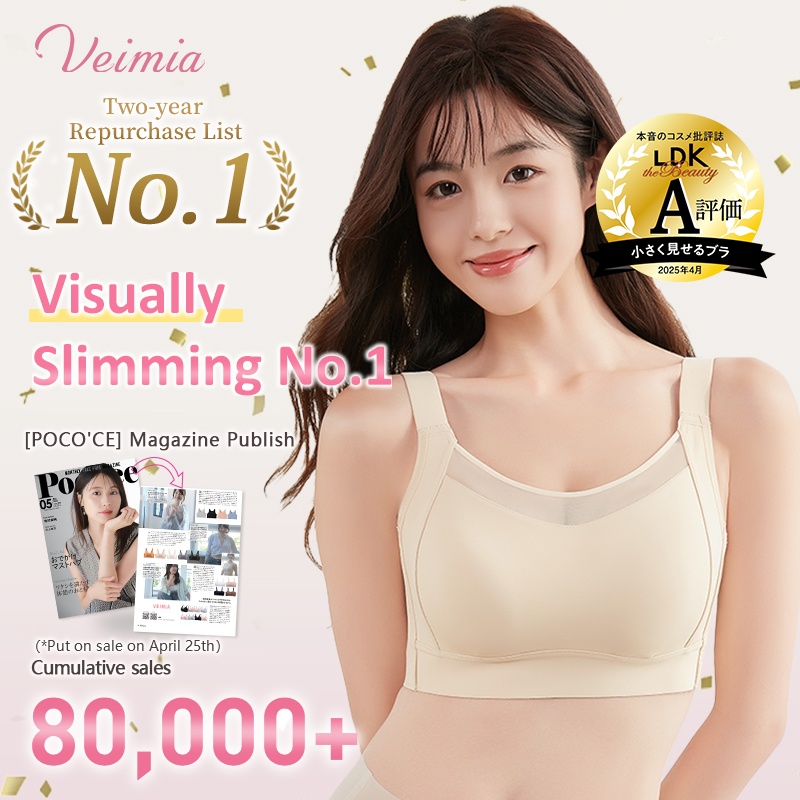
Best for visual projection control
VEIMIA Visually Slimming No.1 Minimizer Bra
A strong starting point if your main concern is how prominently the bust projects beneath shirts or fitted tops. The design uses full-cup coverage, wide straps, higher sides and seamless wire-free construction for fuller-bust containment.
S$69.00* Current SG product-page price checked 11 Aug 2026. Variant, bundle and promotional pricing may change.
View Product 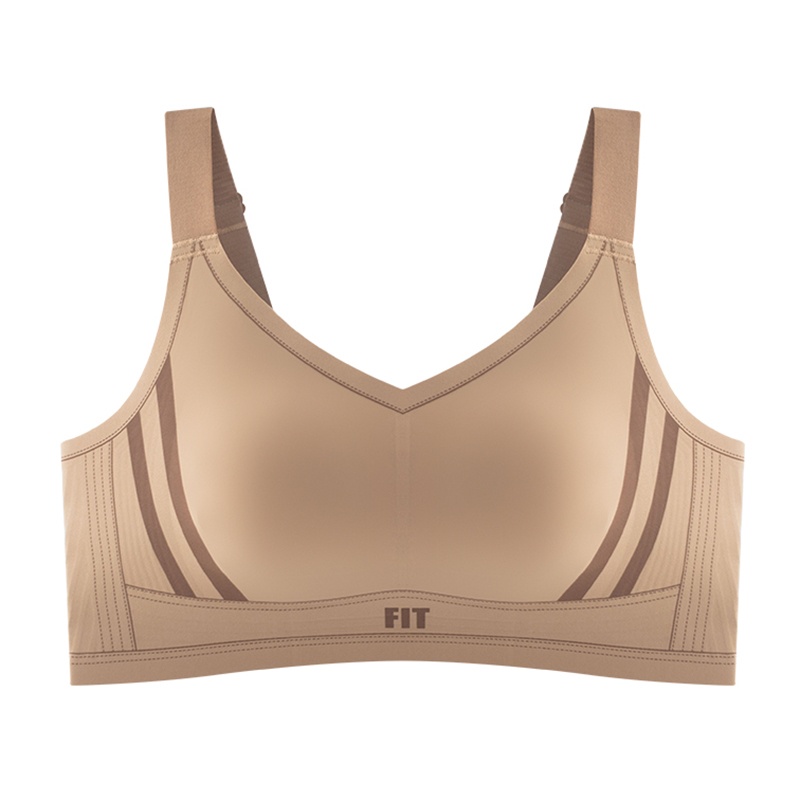
Best for secure full coverage
VEIMIA Sports Style Full Coverage Cloud Sense Minimizer
Choose this when containment and movement stability matter more than a low neckline. Its seamless sports-inspired full-coverage construction is designed to wrap the bust securely while remaining suitable for daily wear and lower-intensity movement.
S$39.00* Current SG product-page price checked 11 Aug 2026. Confirm current options and offers on the live page.
View Product 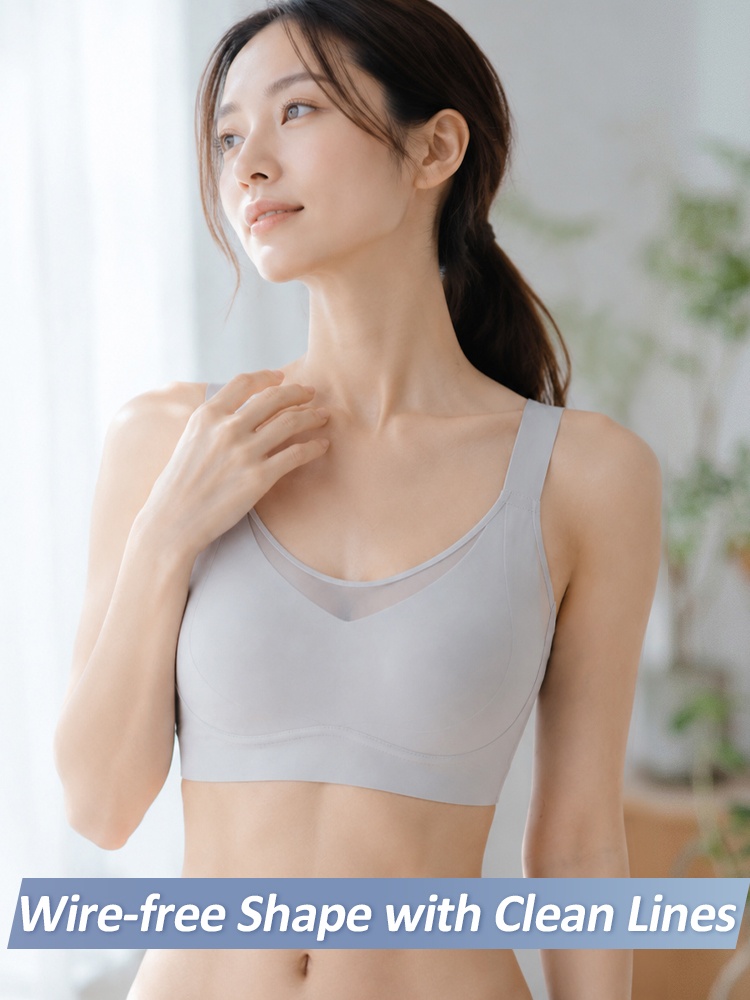
Best for SG / MY heat
VEIMIA Cool-Touch Full Coverage Minimizer
A particularly relevant option when heat is part of the support problem. This wire-free style combines cool-touch breathable fabric, ultra-thin cups, high side coverage and wide adjustable straps for smoother warm-weather wear.
S$49.00* Current SG product-page price checked 11 Aug 2026. Live variant and campaign pricing can change.
View Product 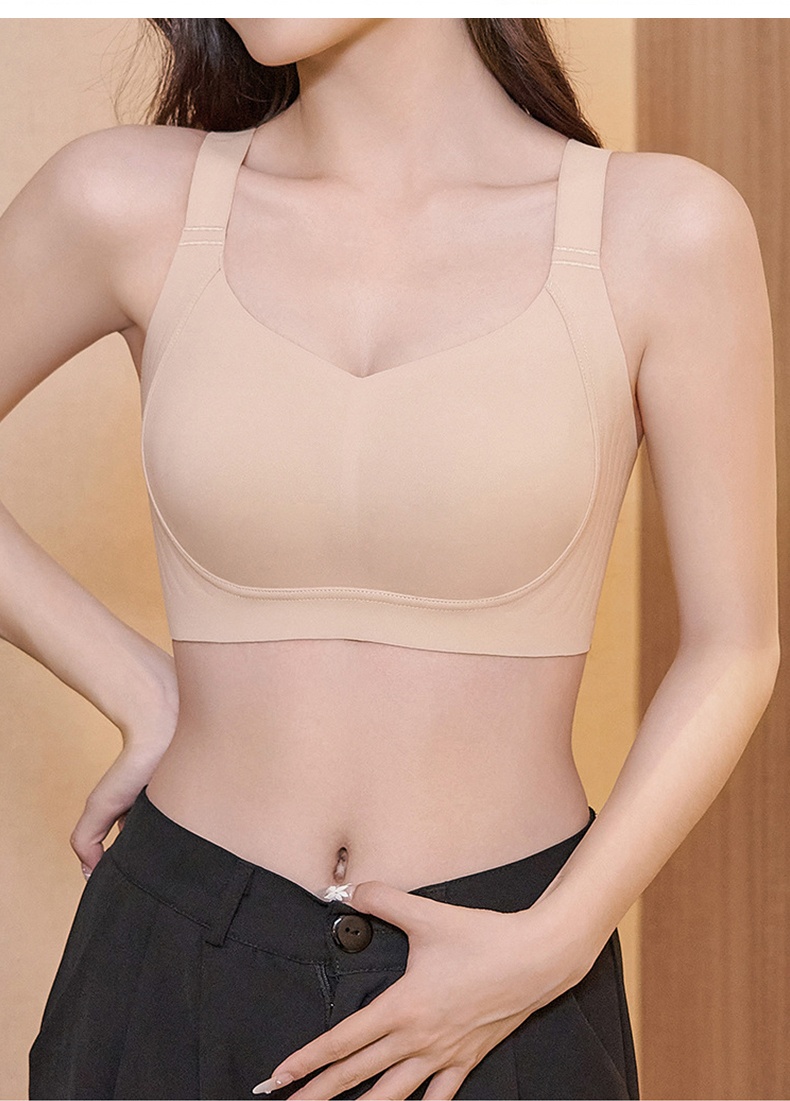
Best for plus-size smoothing
VEIMIA Plus Size W-Shaped Minimizing Bra
Designed for fuller sizing where side and back containment are major priorities. The full-coverage seamless design combines W-shaped support with higher side wings and a wider smoothing structure.
S$69.00* Current SG product-page price checked 11 Aug 2026. Product page currently lists sizes through 4XL; always confirm your exact size mapping before purchase.
View Product 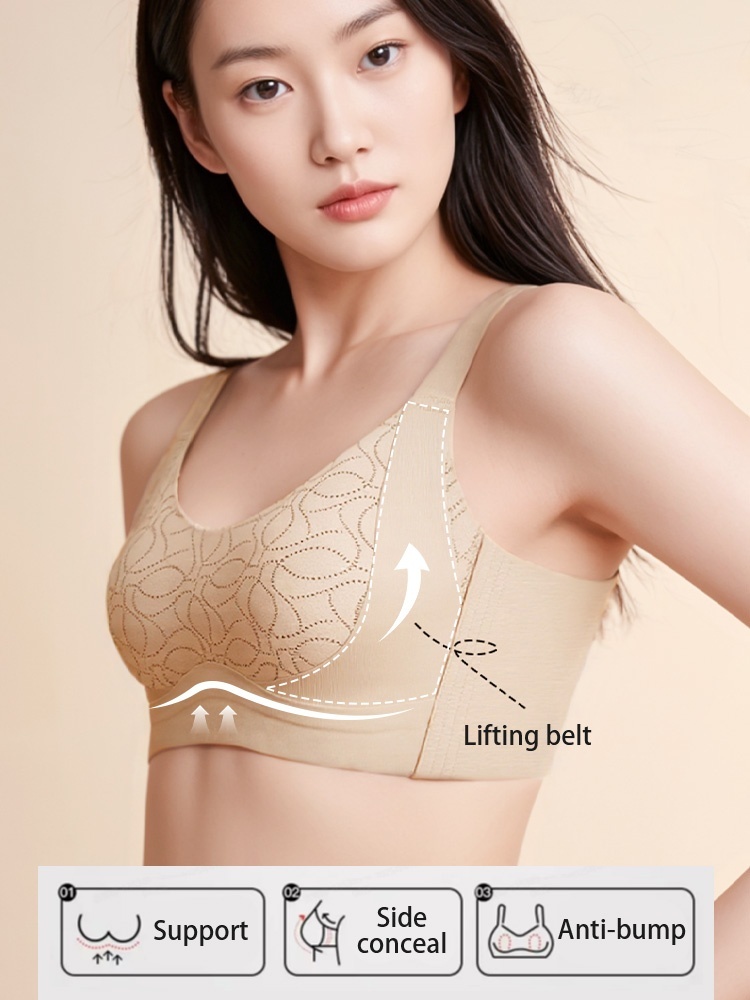
Best for lift + visual streamlining
VEIMIA Lifting Minimizer Bra for Big Breasts
A useful direction when you want more defined lower-bust support as well as a less bulky silhouette. The design pairs lifting support with ultra-thin cups and breathable mesh rather than relying on thick push-up padding.
S$49.00* Current SG product-page price checked 11 Aug 2026. Confirm colour, size and current promotion on the live page.
View ProductQuick Answers
Large Bust Bra FAQ
What type of bra is best for a large bust?
The best type depends on your main problem. A stable full-coverage bra can help with containment, a wireless structured bra can support long-day comfort, a side-smoothing style can improve underarm and back lines, and a minimizer can help when forward projection is the main concern.
What cup size counts as a large bust?
There is no universal cut-off. Cup volume changes with band size, and breast shape affects how large or projected the bust appears. Use the complete band-and-cup size together with fit issues such as weight, projection, spillage and movement.
What is the best bra for heavy breasts and shoulder pressure?
Look for support that is distributed across a stable band, appropriately shaped cups and comfortable wider straps. Do not rely on tightening narrow straps to lift the entire bust.
Are wide straps better for larger breasts?
Wide straps can distribute pressure across more of the shoulder, which may feel more comfortable for a fuller bust. They work best when paired with a secure band and supportive cups.
Is wireless support enough for large breasts?
It can be. Wireless support can come from molded or shaped cups, a stable underband, supportive sides, wide straps and a secure back. The whole structure matters more than the absence of an underwire.
Is full coverage better for a full bust?
Full coverage can feel more secure when you experience top or side spillage, but only when the cup shape suits your breasts. More fabric does not compensate for an incorrect size or cup geometry.
How can I make a large bust look smoother under clothes?
Start with smooth cups, correct sizing and controlled side support. If forward projection is still the main issue, a minimizer may help redistribute volume. For side or back lines, a smoothing design may be more useful than stronger minimization.
Do minimizer bras work for heavy breasts?
They can work well when a fuller bust needs both support and less forward projection. The bra should still fit comfortably, contain the sides and stay stable at the band rather than relying on harsh compression.
Can a minimizer make large breasts look wider?
A poorly matched minimizer can redistribute too much breast volume toward the sides. If that happens, look for better side containment, higher wings or a cup width that suits your breast root.
What bra is best for a large bust in Singapore or Malaysia heat?
Look for breathable fabrics, lighter or ultra-thin cup construction, mesh zones and support that does not require an excessively tight band. Cooling and comfort should be considered alongside coverage.
What should a large bust wear under a fitted T-shirt?
A smooth or seamless cup with sufficient side support is usually a good starting point. If the bust still projects more than you prefer, compare a seamless minimizer or smooth full-coverage style.
What bra works well under button-down shirts for big breasts?
Full coverage or minimizer styles can be useful because they may reduce overflow and manage forward projection. Always test the bra beneath the actual shirt and check whether the button placket sits more smoothly.
Should I size down to make heavy breasts feel more supported?
No. A smaller bra can cause pressure, spillage and distorted cup positioning. Use the correct size and choose stronger structural support instead of trying to create support through excessive tightness.